


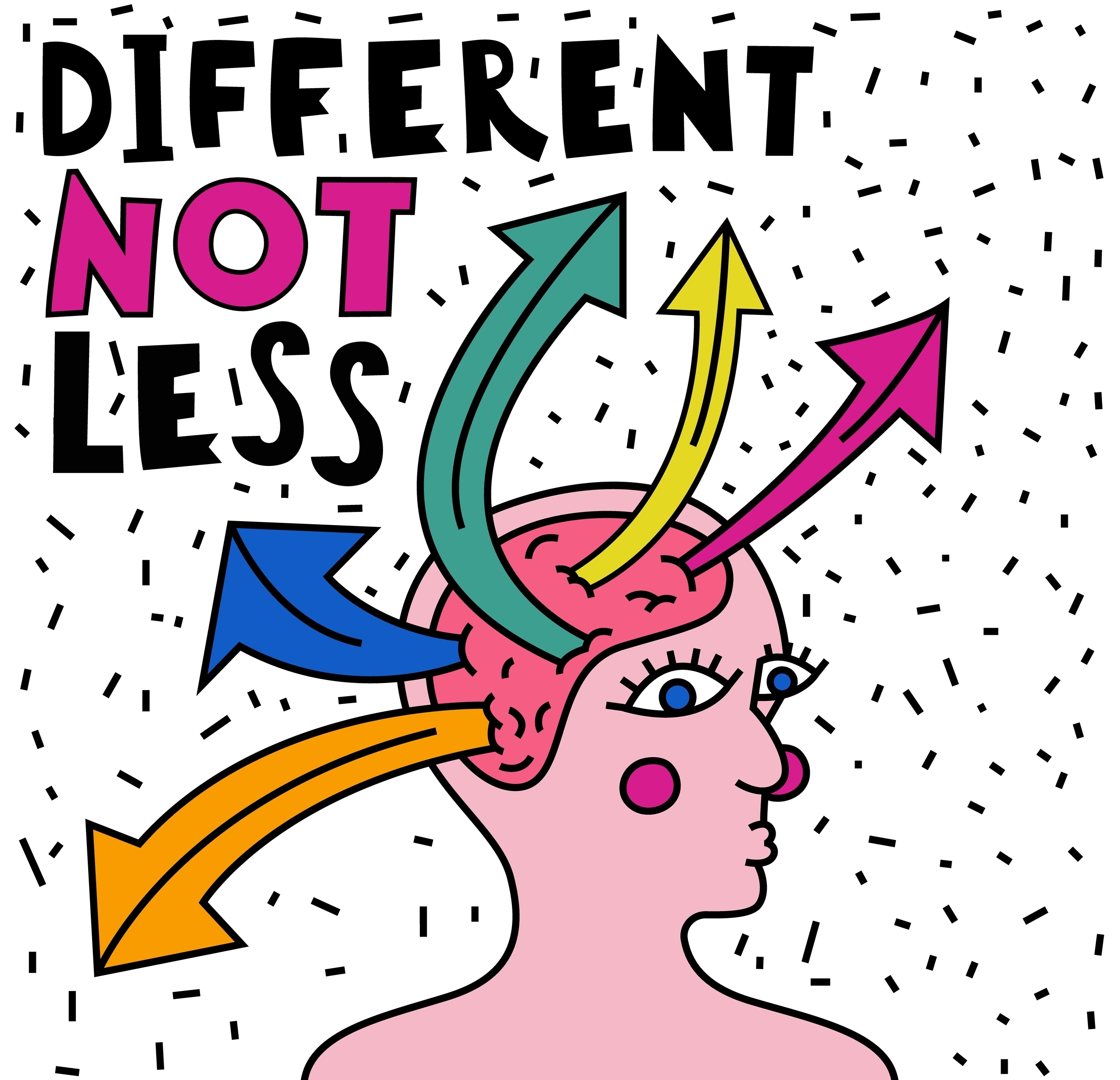
As a parent of a neurodiverse child, I’ve always been keenly aware of the unique challenges my daughter faces. Her vibrant personality and exceptional talents shine through in everything she does, from academia to Football. Yet, like many neurodiverse children, her confidence is something that needs nurturing.
Rejection sensitive dysphoria is linked to ADHD and for my daughter, criticism can cause significant emotional pain and disregulation. Unfortunately, that nurturing was disrupted by an encounter with a toxic football coach.
My daughter’s love for football extended beyond just the game; her teammates felt like family, they had played together for several years. The families of the players were all close, and we socialised together since we lived in a small village. However, when the new coach took on more of the coaching responsibilities, concerns began to arise.

Parents were unhappy with her negative and disempowering coaching style.
From early on it became apparent that the coach did not understand the nuances of coaching neurodiverse children. My daughter was often criticised publicly in practice, shouted at, or simply have achievements ignored leading to feelings of inadequacy which fractured her self-esteem. Witnessing my daughter’s confidence crumble was heart-wrenching. The sparkle in her eyes dimmed, and soon she was reluctant to attend practices. The joy she once felt was replaced with anxiety and self-doubt, and as a parent, I felt powerless to protect her from this experience.
After months of facing challenges, I knew it was time for a change. I approached the coach to discuss my daughter’s disabilities and how they needed to be considered. Unfortunately, I encountered resistance from the coach, who was more focused on her own mental health struggles than on my daughter’s needs. Despite having multiple conversations about this, there was no progress. As my daughter’s mental health continued to decline, I made the decision to remove her from the team.
Of course, I raised my voice—not just for my daughter but for all those other children affected. I reached out to the club and the Football Association, and my complaints were taken seriously. Positive changes have been made to ensure that the welfare of all coaches is diligently monitored, and they receive additional coaching to understand neurodivergent children. But this came with a personal cost.
Overnight, my daughter lost her football family, and the parents I thought were my friends stepped back. It was disheartening to see those parents, who were willing to voice their concerns in private, not take the opportunity to stand together and address the coach’s behaviour when it mattered most. I will never forgive them for prioritising the coach’s ego over my daughter’s welfare.
There was no celebration of her time at the club, despite this being the usual ending when a player leaves. My daughter did not receive a signed shirt or a card – which was just another rejection for her.
My daughter found a new team and with the right support, her confidence began to bloom again. She found pleasure in her new activities, established friendships with her teammates, and learned that it’s perfectly okay to take her time to find mentors who truly understand her needs.

This journey has reinforced a vital lesson: the importance of advocating for our children in environments that may not always align with their unique ways of learning and growing. We’ll always encounter challenges along the way, but I’m committed to helping my daughter navigate them with the resilience she possesses.
I want to remind other parents of neurodiverse children that it’s okay to question the environments to which we expose our kids. Encouragement should not come at the cost of confidence.
Together, we can help our children see their worth and embrace their unique journeys, one step at a time even if we must lose a family along the way.
We receive many individual stories from parents but felt that this one was worth including. We also believe that we are all responsible for learning together and creating the best environments for young people to thrive and supporting everyone within the sporting system.
Here are some WWPIS thoughts and reflections based on the above for organisations, coaches and parents to consider:
Key Takeaways
For Organisations
- Prioritise safeguarding and inclusivity: Have systems in place to ensure coaches are trained in understanding and supporting neurodiverse athletes.
- Proactive monitoring: Regularly check in on both athlete welfare and coaching standards, not just when complaints arise.
- Clear accountability: Create safe, confidential channels for parents and players to raise concerns without fear of repercussions.
- Celebrate every child: Ensure consistent, inclusive recognition for all athletes, especially during transitions such as leaving a club.
For Coaches
- Know your athletes: Invest time to understand individual needs, especially when working with neurodiverse children.
- Language matters: Avoid public criticism or ignoring achievements; focus on encouragement, constructive feedback, and private guidance.
- Build trust with parents: Listen openly when parents share important information about their child’s learning and emotional needs.
- Model resilience: If struggling with your own challenges, seek support rather than allowing it to impact athletes’ experiences.
For Parents
- Advocate with courage: Don’t hesitate to raise concerns about environments that harm your child’s confidence, even if it means standing alone.
- Support self-esteem: Remind your child their worth is not defined by one coach, one team, or one outcome.
- Seek the right fit: Sometimes leaving a particular environment is the healthiest choice. The right coach and team can rebuild joy and confidence.
- Find solidarity: Encourage other parents to act collectively. Change is more powerful when communities stand together.

