


Growing injuries can affect anyone going through a growth spurt, and they’re genuinely frustrating when they happen. They’re most common in children who are engaging in high-level or regular sport at the same time as a growth spurt.
Why do they occur?
Muscles and bones grow at different rates, bones grow faster than muscles and tendons. If a child is training frequently or at a high level during a growth spurt, the demands placed on their muscles mean those muscles gradually tighten relative to the now-longer bones. That tightness pulls at the points where muscle attaches to bone, which can show up as a bony lump and cause real pain or discomfort. It can also interfere with growth plates, and in some cases carry longer-term effects.
Add up PE lessons at school, playground games at break, and training and matches most evenings and weekends across multiple clubs, and it can quickly amount to a lot of hours of sporting activity, adding further load to a body that’s already under stress from growing.
Where do they commonly occur?
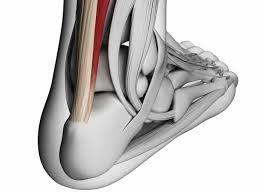
Growing injuries most often show up at the heel (Sever’s disease), the knee — specifically the tibial tuberosity (Osgood-Schlatter’s) — and the pelvis (hip apophysitis).
Common symptoms
Tightness, pain, stiffness, swelling, and limping while walking or running.
Common signs
Parents may notice their child has suddenly shot up in height, alongside an increased appetite, more sleep than usual, real fatigue after a session, or footwear, school clothing and training kit being outgrown faster than expected.
How to manage them
The best advice I give parents in clinic is to monitor their child’s growth regularly, weekly or fortnightly and keep an eye on the overall trend, watching for any sudden jump out of the ordinary. If growth stays steady, that’s a good sign. If there’s a sudden spike from one check to the next, it’s worth making some changes to their physical activity for the following couple of weeks: avoiding intense activity like competitions and races, shortening sessions, and reducing how many sessions they do that week.
Try swapping a normal sporting session for swimming, which is low-impact and puts far less strain on bones and soft tissue. It’s also worth adding more core strengthening and stretching work, to help the muscles catch up to the bone length.
A physiotherapist can offer more tailored advice and guidance for both the child and parents, including a proper exercise programme covering core work, strengthening and stretching.
In some cases, up to six weeks’ rest from normal sporting activity may be needed to prevent longer-term problems but it’s always best to get advice from a doctor or sports physiotherapist before making that call.
Five top tips for young athletes
- Monitor growth regularly (weekly or fortnightly), watching for any change in the normal trend.
- Modify training for the fortnight following a growth spurt — reduce session intensity, reduce session length, reduce the number of sessions in the week, and cut back on or avoid competitions.
- Include core strengthening exercises.
- Add stretches to help soft tissue catch up with bone growth.
- Swap a normal sporting session for a swimming session.
This article was written by Laura Dutton of Physio Form. The full and original article can be found here.

