“What are they doing?”
“They look like Bambi on ice.”
“I don’t understand, they could do that a few weeks ago.”
“Why are we even bothering, it looks like they’ve never played the sport in their life.”
These are just a handful of the comments I’ve heard on the sidelines of training sessions and matches over the years. Here’s the thing: at some point, whether during their early years or through puberty, every parent and coach will notice real physical and mental changes in the young athletes they work with.
Puberty is the big, well-documented growth spurt, but children go through plenty of smaller ones before that too. Grow a few centimetres in a short space of time, and you’ll almost certainly watch your child struggle to find their feet.
Suddenly they look uncoordinated. They trip over the ball. The skill they nailed easily a few weeks ago feels like a distant memory. Their pace drops off, and a change of direction that used to be sharp now looks more like the QE2 attempting a three-point turn.
There’s no need to panic. They’ve probably just grown.
It usually takes a few weeks for their brain and body to recalibrate to their new height and proportions. It comes back, it always does and during this window, the most useful thing parents and coaches can do is back off, rather than pile on the criticism.
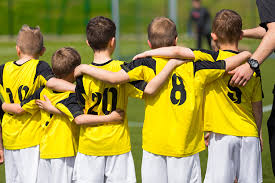
It’s not always easy to watch as a parent. Patience, encouragement and understanding matter here far more than they might feel like they do in the moment, however frustrating things get.
Puberty itself, which typically lasts somewhere between two and five years, has a much bigger effect on your child’s development and performance. It’s a long, uneven road, and one worth managing as carefully as you can.
Most girls begin puberty between eight and thirteen, with the average around twelve, and hit their major growth spurt between ten and fourteen. Most boys begin between ten and thirteen, and continue growing until around sixteen or seventeen.
Through these years, you’ll typically see an increase in body size, hormones and muscle strength, alongside a temporary dip in balance, skill and overall body control. They may genuinely just seem clumsy for a while.
This is a phase, not a permanent state. Temporary is the key word.
A good coach will already understand these stages. Either way, it’s worth both parents and coaches staying deliberately positive and patient through it.
The more we understand and recognise what’s actually going on, the better the environment we can create for the children playing in it.
With all that in mind, here’s what I’d suggest:
- Don’t panic if your child suddenly looks clumsy or off the pace.
- Don’t start yelling at this stage, however frustrated you’re feeling — it won’t help, and it isn’t fair.
- Talk to the coach, and make sure they’re aware of what’s going on.
- Ask for advice on training load through puberty, to help avoid overuse injuries while the body’s still adjusting.