Thousands of training sessions and matches take place around the world every week, and many parents are there watching. So take a step back for a moment and think about everything you’ve seen. What are you actually looking for in a good coach for your child?
If you’re new to sport and signing your child up for the first time, we hope these tips will help you on your sporting journey.
Without some understanding of what to look for, you could, without realising it, be putting your child into a sporting experience that does them more harm than good.
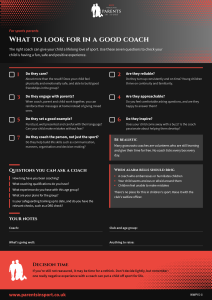
Be realistic
Many grassroots coaches are volunteers. Many have only completed an entry-level coaching course and are still learning. Be understanding: don’t expect them all to be superheroes. Many great coaches coach very differently now from how they did when they started, and many give up huge amounts of their own time, unpaid, for you and your child.
That said, there are some qualities every coach needs if your child is going to have a fun, positive experience.
1. Do they care?
Do they care about more than the result at the weekend? Do you feel your child is emotionally and physically safe with them?
Do they speak to your child before and after sessions, acknowledge them and take an interest in them as a person? Crucially, do they create an environment where your child can build positive, healthy relationships with the other children and adults in the group? That’s vital, because one of the main reasons children stay in sport is to have fun with their friends.
2. Are they reliable?
Do they turn up to sessions and matches consistently, and on time? Young children in particular get the most out of sport when there’s continuity and familiarity.
3. Do they engage with parents?
You’re a key part of your child’s sporting experience. Never forget that.
Children get the most from sport when coach, parent and child are all working together in the child’s best interests. When you feel part of the process, you can support the coach by reinforcing their messages at home. If coaches don’t engage with parents and you’re unsure what’s expected, you may end up giving your child conflicting messages, which only leads to confusion and frustration.

4. Are they approachable?
You should feel comfortable asking questions, and they should be happy to answer them. For example:
- How long have you been coaching?
- What coaching qualifications do you have?
- What experience do you have with this age group?
- What are your plans for the group?
- Do you have up-to-date safeguarding training and the relevant background checks (such as a DBS check)?
If you’re going to place your trust in your child’s coach, this openness really matters.
5. Do they set a good example?
Are they punctual, appropriately dressed and careful with their language?
Coaches are role models, whether they like it or not, and they often become important people in a child’s life. Children behave according to the environment they’re in, so if the coach sets high standards, your child is more likely to follow.
Does their language encourage your child? Does your child feel free to express themselves, be creative and make mistakes without fear?
6. Do they inspire?
Children need to be inspired. Does the coach give your child that buzz? Are they passionate about what they do, and do they channel that passion into helping your child develop?
Equally, make sure the coach never embarrasses or humiliates children. There’s no place for it, and it doesn’t build character. If you see it, alarm bells should ring. Raise it with the club’s welfare officer.
7. Do they coach the person, not just the sport?
When asked what they want in a coach, most parents put knowledge and experience near the top of the list. But there’s more to sport than sporting outcomes. Does your child’s coach help develop life skills through sport, such as communication, good manners, self-organisation and decision-making?
Decision time
Once you’ve thought it through, we hope you’ll feel able to make an informed decision about whether your child’s coach is right for them. No coach is perfect all the time, and there may be moments when they don’t tick every box.
But if you’re still not reassured, it may be time for a rethink. Don’t make the decision lightly. But remember that one really negative experience with a coach can put a child off sport for life, so it’s worth taking the time to reflect.
What to look for in a good coach – WWPIS