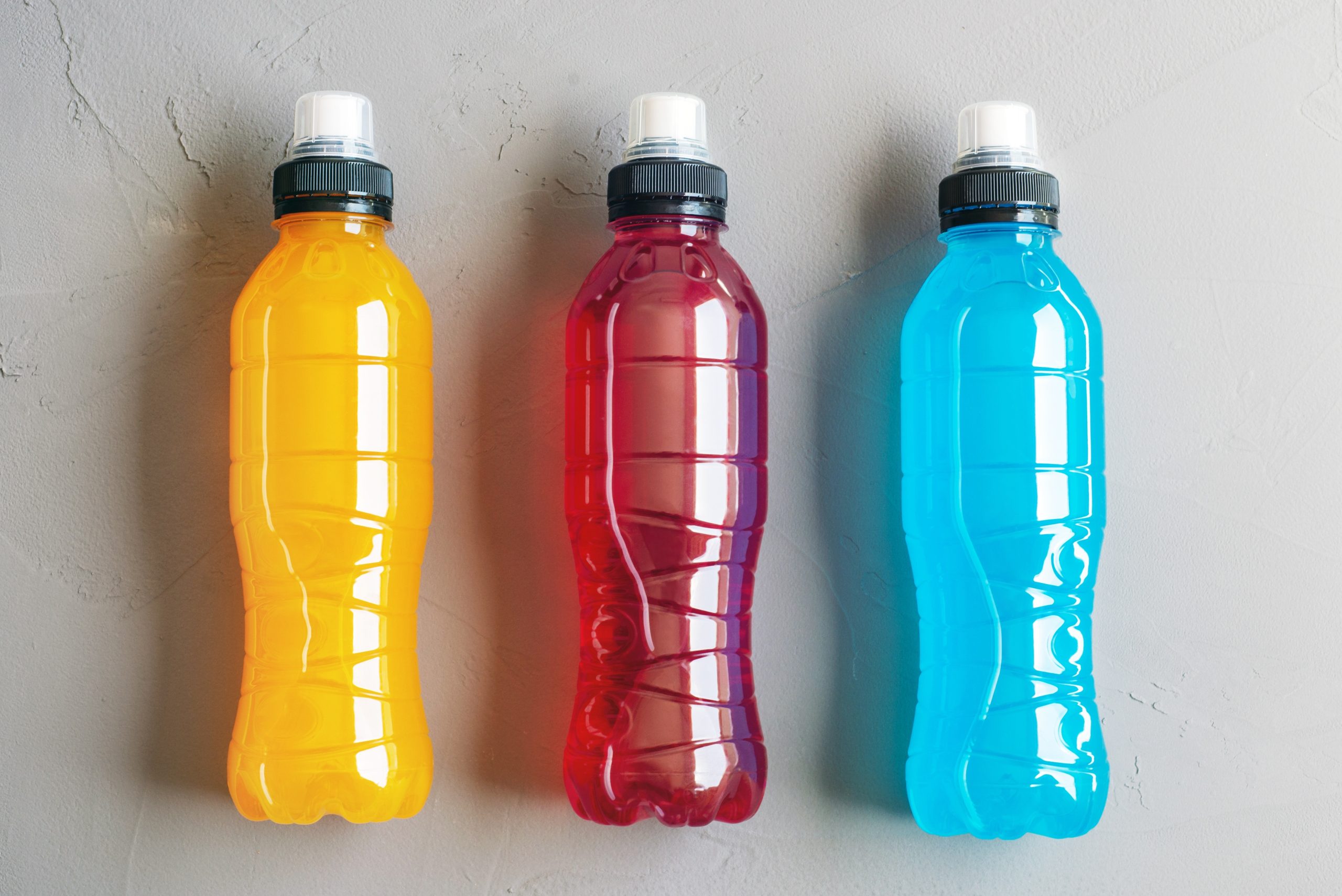
All over the world, more and more young athletes are reaching for a sports drink after training and on match days. Part of the reason is simple: many parents assume they’re the healthy option.
The trouble is, most children aren’t training hard enough, or for long enough, to need one. A session might last an hour or more, but your child is unlikely to be working flat out for all of it. So they’re probably doing less intense exercise than you think, and are unlikely to need a sports drink to replenish what they’ve lost.
Children are also drinking them away from sport. A Cardiff University study found that around nine in ten 12 to 14-year-olds drank sports drinks, and half did so socially, mainly because they liked the taste.
If handing your child a sports drink every time they head off to training or a match has become a habit, it might be worth rethinking.
What you need to know
- They can help in the right situation. Sports drinks can be useful during and after high-intensity exercise lasting more than an hour.
- Heat makes a difference. In hot weather, a small amount of sports drink during exercise lasting over an hour can help guard against dehydration.
- They add sugar and calories. Used regularly and in the wrong situations, they can contribute to excess weight gain and work against your child’s health rather than for it.
- They’re bad for teeth. Sports drinks are often high in sugar and acidic, which increases the risk of tooth decay and enamel erosion. Even low-sugar or “zero” versions are still acidic.
- They can crowd out better options. Relying on them can replace the nutrients your child actually needs for growth and general health.
Don’t believe the marketing
Marketing aimed at children and teenagers often makes a few common claims:
- “They’re healthier than fizzy drinks.” Not really. Many contain similar amounts of sugar and are just as acidic.
- “They boost performance.” What they can do is help keep a young athlete hydrated during long, intense exercise. For most children’s sessions, water does the same job.
- “They give you energy.” The evidence doesn’t back this up for typical youth sport.
- “They quench your thirst better.” That’s largely down to the salt they contain, which encourages you to keep drinking, rather than anything special.
Sports drinks aren’t energy drinks
It’s easy to confuse sports drinks with energy drinks, but they’re very different. Energy drinks are high in caffeine and are not recommended for children at all. From April 2027, it will be illegal in England to sell energy drinks containing more than 150mg of caffeine per litre to anyone under 16. Scotland, Wales and Northern Ireland are considering similar rules.
The bottom line
For most children, a balanced diet plus plain water before, during and after exercise is enough to stay properly hydrated, even during longer sessions. Milk is also a great option after exercise.
So if water can do the job without any of the downsides, isn’t it worth reconsidering the sports drink?