As an organisation, we’re regularly asked to support and promote the Silent Weekend, Silent Sunday, or Silent September. People often ask how we feel about these events, and our answer has always been the same: we love the concept and the motivation behind them, but something’s missing when it comes to actually supporting the parents standing on the sideline through the process.
These events do a genuinely good job of raising awareness. What they haven’t always done well is give parents a positive space to understand why a certain kind of support helps their child develop and enjoy their sport more. Too often, it’s felt like another chance to criticise parents for displaying what are, in many ways, entirely normal human emotions. Some of those behaviours are genuinely misguided, granted, yet how much have we really done to address the belief behind them, rather than just the behaviour itself?
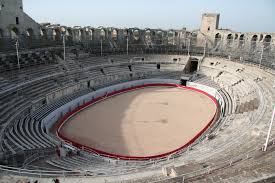
The tension on our sidelines isn’t new. You can trace it all the way back to Roman times. Sport has always offered a release from the sterile grind of everyday life, a chance to let off steam. People wanted to enjoy themselves watching the gladiatorial games, and in a lot of ways, sporting parents today are simply continuing that tradition.
Life has become sterile for plenty of us. Do we really want to strip away the excitement of watching your child play? Is silence even a natural state to ask people to sit in, in the first place?
Parents largely behave the way society has taught them sport should be watched, the stadiums they’ve sat in, the matches they’ve seen on TV and they carry that same instinct with them when they watch their own children play. The finer points of coaching methodology and child development aren’t high on their agenda when they turn up on a Saturday morning. That’s our job, as coaches and educators, to help them get there.
Sport is passion. We need better, more engaging ways to support parents and help them channel what are, at their core, entirely normal emotions. The weekend is when a lot of people let some of that passion out.
Local bragging rights are often genuinely at stake, and plenty of the poor behaviour we see comes from a very human fear of dented pride. If that’s the root of it, then a silent weekend runs against the grain of how people naturally feel. Could we try something different instead, something that works with that instinct rather than against it, and lets parents adapt their behaviour as they go?
Most parents are peaceable people (not all, but most) who’d be glad to be guided by their club, their coaches, and each other. That puts real responsibility on all of us to build environments that feel natural, while still giving children the space to flourish.
So here’s an idea. We’d genuinely love your feedback on it.
‘The Noisy Weekend’ — parents can make as much noise as they like watching their children play, building a genuinely great atmosphere, within a simple set of guidelines:
- No shouting instructions to your child, or to any other player on their team.
- Nothing shouted at the official.
- Nothing shouted at an opposition player though praise for a good bit of play is welcome.
- Nothing shouted at the opposition’s coach or parents.
- Within those limits, be as noisy as you like.
Working the sidelines of grassroots matches ourselves, we’ve seen this work brilliantly. Great games, great support from both sets of parents, genuine ovations for the players on both sides after a fantastic, entertaining match. It can be done, though that mix is hard to find consistently, and it depends on everyone involved in that particular game buying into the same approach.
We’re not claiming to have solved what happens on the sidelines. What we’d ask is whether it’s worth being a bit more creative, trying things that raise awareness, yes, but that also build environments that feel genuinely natural, let everyone flourish, and give every parent something to actually look forward to at the weekend.